دنیای واقعی در ابعاد مینیاتوری؛ این پرامپت هوش مصنوعی را امتحان کنید
مطالعه ' 6
17 روز قبل
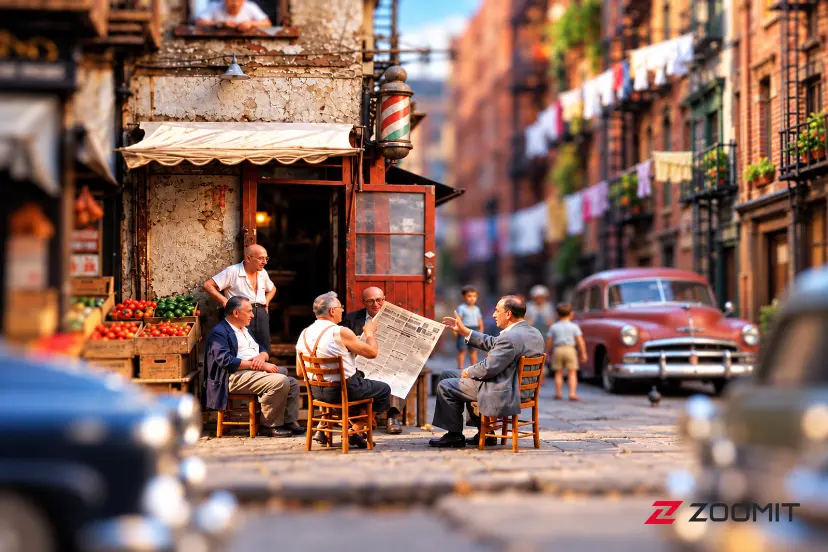
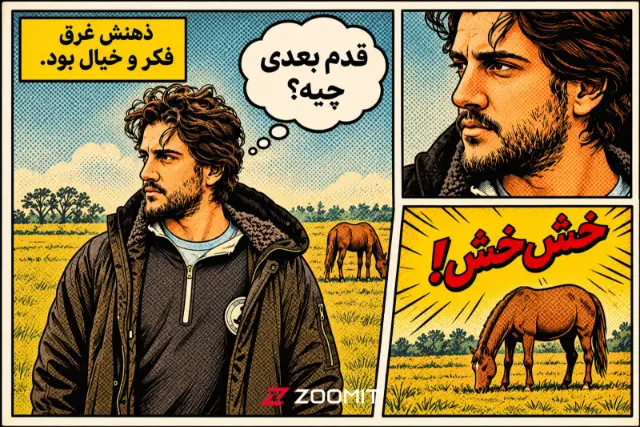
کمیککردن عکس با هوش مصنوعی ایدهی تازهای نیست؛ اما نتیجه معمولاً به یک فیلتر کارتونی ساده محدود میشود: همان تصویر، همان کادر و همان سوژه، فقط با خطوط ضخیمتر و رنگهای نقاشیشده. این پرامپت هوش مصنوعی که در ادامه میبینید، ساختار متفاوتی دارد و تلاش میکند از یک عکس واقعی، چیزی شبیه پوستر یک کتاب کمیک بسازد.
تصویر نهایی یک قاب عمودی با نسبت ۳:۴ است که دقیقاً به دو قسمت تقسیم میشود. نیمهی بالا برای حفظ عکس اصلی در نظر گرفته شده و در نیمهی پایین، همان لحظه به صفحهای شامل چند پنل کمیک تبدیل میشود؛ یک نمای کلی، نمای نزدیک از چهره و جزئیاتی از اشیا یا حرکتهایی که واقعاً در عکس دیده میشوند.
ویژگی جالبتر، استفاده از متن فارسی است. پرامپت از هوش مصنوعی میخواهد یک دیالوگ یا فکر کوتاه، یک افکت صوتی و یک کادر روایت را به فارسی و با رعایت راستبهچپبودن نوشتهها به کمیک اضافه کند.
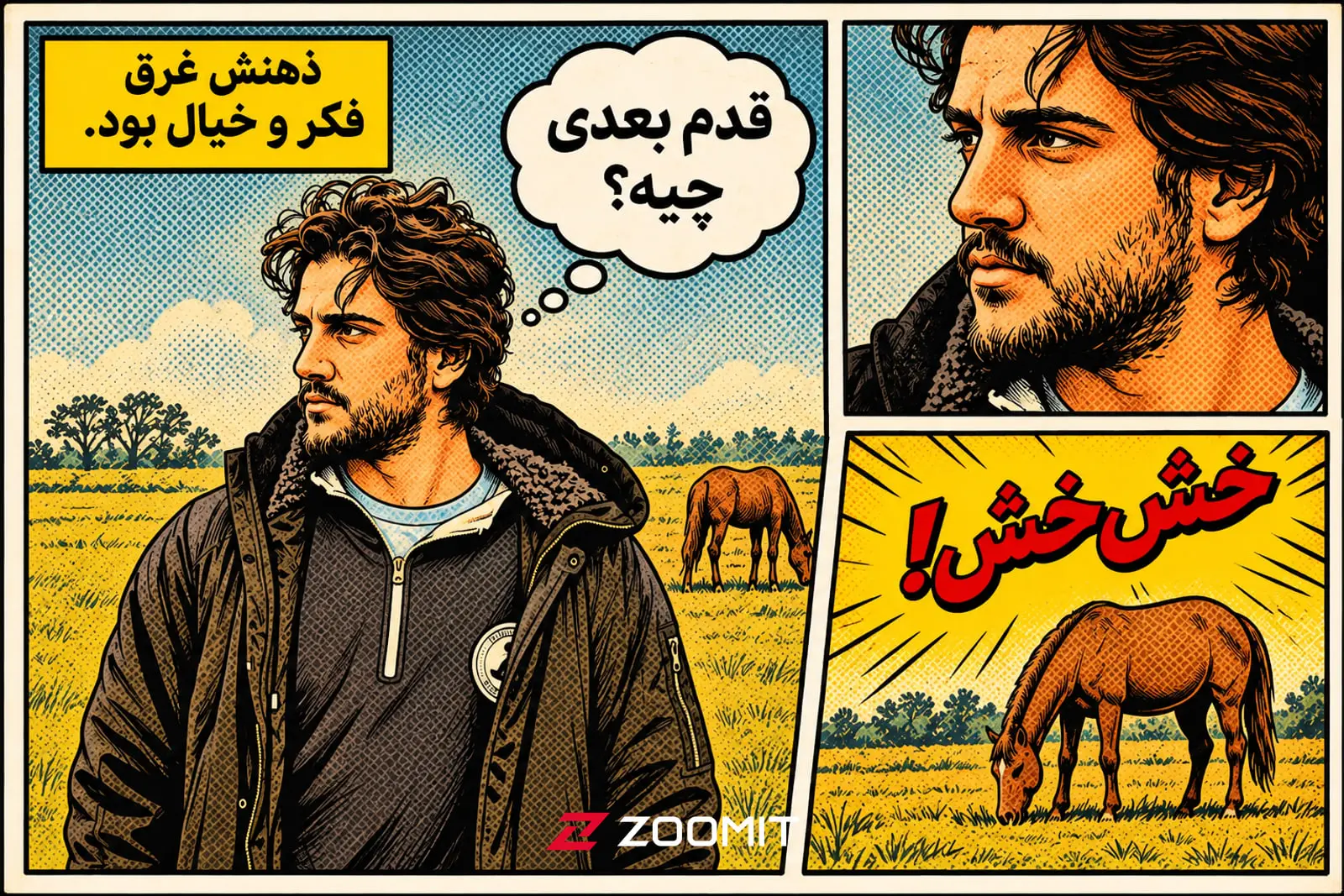
ساختار تصویر به دو نیمهی کاملاً مساوی تقسیم میشود. در قسمت بالا، هدف این است که عکس آپلودشده تا جای ممکن دستنخورده باقی بماند؛ یعنی چهره، حالت بدن، لباس، اشیا، نورپردازی، رنگها و پسزمینه تغییر نکنند.
نیمهی پایین همان لحظه را با زبان بصری کمیکهای کلاسیک آمریکایی و اروپایی بازسازی میکند. بهجای یک تصویر کارتونی واحد، ۳ یا ۴ پنل ساخته میشود. یکی از پنلها کل صحنه را نشان میدهد، یکی روی چهره و حالت سوژه تمرکز دارد و پنلهای کوچکتر میتوانند جزئیاتی مثل دست، وسیلهای که شخص در دست گرفته یا حرکت قابلمشاهدهای در عکس را نمایش دهند.
در این بخش از خطوط مشکی ضخیم، رنگهای تخت، سایهزنی هافتون و بافت کاغذ قدیمی استفاده میشود. با وجود تغییر زاویهی دوربین در بعضی پنلها، پرامپت تأکید میکند که شخص، لباس، محیط و اشیای حاضر در عکس نباید تغییر کنند یا عناصر تازهای به داستان اضافه شود.
تفاوت مهم این پرامپت با بسیاری از دستورهای مشابه، جزئیاتی است که برای نوشتههای فارسی در نظر گرفته شده است. سه نوشته باید در تصویر وجود داشته باشد: یک حباب گفتوگو یا فکر، یک افکت صوتی متناسب با صحنه و یک کادر کوچک روایت. دستور حتی مواردی مثل استفاده از «ی» و «ک» فارسی، اتصال صحیح حروف، نیمفاصله، علامت سؤال فارسی و جهت راستبهچپ را مشخص میکند.
البته نوشتن متن فارسی همچنان یکی از بخشهایی است که ممکن است نتیجهی آن بین مدلهای تصویرساز متفاوت باشد. به همین دلیل در خود پرامپت تأکید شده است که اگر مدل نتواند نوشتهای سالم و خوانا بسازد، بهتر است محل آن را خالی بگذارد تا متن اشتباه یا بیمعنی تولید نکند.
ابتدا تصویری انتخاب کنید که سوژه و جزئیات اصلی آن واضح باشند. سپس عکس را در ChatGPT یا یک ابزار هوش مصنوعی دارای قابلیت تولید و ویرایش تصویر آپلود کنید و پرامپت زیر را همراه آن بفرستید.
اگر چند عکس دارید، بهتر است آنها را جداگانه پردازش کنید. پرامپت نیز صراحتاً از مدل میخواهد برای هر عکس یک خروجی مستقل بسازد و تصاویر مختلف را در یک کلاژ کنار هم قرار ندهد.
متن کامل پرامپت
Turn each uploaded photo into a separate, premium-quality editorial comic poster. Never combine multiple uploaded photos into a collage. Process and output each photo individually. ## LAYOUT Strict 3:4 vertical canvas, divided into two exactly equal horizontal halves (50/50). The two halves meet at one clean, sharp horizontal line with no gap, gradient, or overlap. ### TOP HALF — ORIGINAL PHOTO Keep the uploaded photo exactly as it is: same subject, identity, facial features, expression, pose, proportions, clothing, objects, background, perspective, lighting, shadows, and colors. Apply only subtle, professional color grading. You may gently extend the background to fit the composition, but never stretch, distort, redraw, or alter the subject. No text, speech bubbles, captions, or graphics in the top half. ### BOTTOM HALF — COMIC BOOK PAGE Transform the exact same photographic moment into a classic Western-style comic book page. Create 3 or 4 panels separated by clean white gutters and bold black panel borders. Use panels of different sizes to create visual rhythm: - One wide establishing panel showing the complete scene from the original photo. - One close-up panel showing the subject's face and expression. - One or two smaller detail panels showing real objects, gestures, or actions visible in the original photograph. Every panel must represent the same moment and environment. Different camera angles are permitted, but do not invent new objects, activities, people, or background elements. Maintain complete consistency in the subject's identity, clothing, hairstyle, accessories, and colors across every panel. ## VISUAL STYLE Classic American and European comic book aesthetics. Bold, confident black ink outlines with varied line weight. Flat, vivid color fills, visible halftone dot shading, and slightly aged off-white comic paper texture. Use a limited comic-book color palette derived from the original photograph. Faces should be expressive, recognizable, and anatomically accurate without excessive exaggeration. Avoid anime, manga, chibi, or cartoonishly distorted proportions. ## PERSIAN TEXT ELEMENTS — CRITICAL Every visible piece of text inside the comic must be written exclusively in authentic, correctly spelled Persian (Farsi), using the Persian alphabet. No English text, Latin characters, pseudo-Persian letters, gibberish, or invented words. All Persian text must be grammatically correct, naturally phrased, visually legible, and appropriate to the actual moment depicted. Create exactly three textual elements: ### 1. SPEECH OR THOUGHT BUBBLE Add one comic-style speech bubble or thought bubble containing a short, natural Persian sentence that the subject might realistically say or think. Requirements: - Use conversational, everyday Iranian Persian. - Keep the dialogue between 2 and 6 Persian words whenever possible. - Make the dialogue contextually relevant to the photograph. - Avoid generic, overly dramatic, or unrelated expressions. - Use correct Persian spelling, grammar, and punctuation. - Make the speech bubble large enough to accommodate Persian letters comfortably. Examples of natural Persian dialogue: «چه روز قشنگی!» «عجب منظرهای!» «این دیگه چیه؟» «وقت یه استراحته!» These examples are illustrative only. Choose dialogue based on the actual photograph. ### 2. PERSIAN SOUND EFFECT Add one hand-lettered Persian sound effect representing a real visible action or sound associated with the scene. Use authentic Persian onomatopoeia, not transliterated English. Possible examples: - «تق!» for a clicking or tapping sound. - «چک!» for a camera shutter. - «شررر!» for flowing or splashing water. - «خشخش!» for rustling. - «تَقتَق!» for repeated knocks or footsteps. Choose a sound effect that actually fits the image. Never add a sound effect suggesting an action that is not visible or reasonably implied by the original photograph. Use bold, expressive Persian comic lettering while preserving correct character shapes and reading order. ### 3. NARRATOR CAPTION BOX Add one small yellow rectangular narration box inside the first comic panel. Write one short Persian narrator sentence inspired by the visual atmosphere or emotional tone of the photograph. Requirements: - Maximum 5 to 9 Persian words. - Natural, fluent, contemporary Persian. - Slightly cinematic or playful, but not exaggerated. - Written in a clear Persian comic-book typeface. - No invented locations, dates, names, or unsupported story details. ## PERSIAN TYPOGRAPHY — ABSOLUTE PRIORITY Persian typography accuracy is mandatory. Follow these rules for every visible Persian text element: 1. Right-to-left direction: Render every sentence in genuine RTL reading order, beginning from the right and continuing toward the left. 2. Correct letter connections: Persian letters must join according to authentic Persian typography rules. Never display letters individually when they should be connected. 3. Correct Persian glyphs: Use Persian characters, including «ی» and «ک», rather than their Arabic alternatives «ي» and «ك». 4. Proper word spacing: Maintain natural spacing between words, with no misplaced, duplicated, or missing spaces. 5. Correct half-spaces: Use the Persian zero-width non-joiner (U+200C) where necessary, especially in constructions such as «میخوام»، «میره»، «خوشحال» and similar forms when grammatically appropriate. 6. Correct punctuation: Use Persian punctuation conventions. Place exclamation marks, question marks, and quotation marks in their correct visual positions. Use «؟» for Persian questions. 7. Readable lettering: Use a clean, authentic Persian comic lettering style with natural strokes, proper dot placement, consistent baseline, and correctly shaped letterforms. 8. No mirrored text: Never flip, reverse, distort, rotate, or mirror Persian writing. 9. No pseudo-script: Do not approximate Persian writing with decorative marks, randomly connected shapes, or visually similar symbols. 10. No text corruption: Never create incomplete words, duplicated letters, scrambled words, or meaningless text. 11. Exact text preservation: Once the three Persian phrases are selected, reproduce them exactly as written, character by character. Do not rewrite, reinterpret, or alter their spelling during rendering. 12. Text readability over decoration: Make text boxes and bubbles sufficiently large. Prioritize accurate Persian typography over complex or ornamental lettering. 13. No additional writing: Do not generate any other visible letters, numbers, signs, logos, or background text. 14. Final typography validation: Before completing the image, visually inspect every Persian word for spelling, letter connectivity, RTL order, punctuation, and legibility. Correct any detected error. If accurate Persian typography cannot be guaranteed, leave the affected speech bubble, narration box, or sound effect area empty rather than generating incorrect, meaningless, or malformed Persian text. ## COMPOSITION AND LETTERING All text must remain entirely inside the bottom comic-book half. Use visually balanced speech bubbles with clear white interiors and bold black outlines. Use a small, warm yellow narration box with dark Persian lettering. Sound effects may use larger, dynamic lettering, but must remain completely readable. Do not allow text to cover important facial features or essential details. Never allow graphics or text to cross the horizontal dividing line. ## COPYRIGHT AND BRAND RESTRICTIONS Do not use existing comic titles, publisher names, superhero characters, copyrighted comic artwork, or brand logos. Do not invent geographical locations, dates, or historical details. ## FINAL LOOK Create a visually striking, playful, cinematic poster presenting one real photographic moment in two complementary forms: - Top 50%: the authentic, carefully preserved original photograph. - Bottom 50%: an expressive, professionally illustrated comic-book interpretation of that exact moment, featuring three short and correctly rendered Persian text elements. The final design should resemble a premium collectible comic poster, with authentic Persian lettering integrated naturally into the illustrated panels. ## NEGATIVE PROMPT English text, Latin letters, Arabic-only typography, disconnected Persian characters, reversed Persian writing, mirrored text, misspelled words, random symbols, illegible lettering, gibberish, distorted glyphs, broken RTL layout, duplicate dialogue, extra captions, unwanted text, fake logos, incorrect Persian punctuation, meaningless sound effects, collages, distorted faces, changed outfits, invented objects, more than four comic panels, manga style, anime style, existing comic characters, watermarks, and elements crossing the center dividing line.این پرامپت جزئیات زیادی دارد، اما انتخاب عکس همچنان روی نتیجه تأثیر میگذارد. برای خروجی بهتر:
حتی پرامپتهای بسیار دقیق نیز نمیتوانند تضمین کنند که مدل تصویرساز عکس اصلی را پیکسلبهپیکسل حفظ کند یا تمام حروف فارسی را در هر بار تولید کاملاً درست بنویسد. به همین دلیل، بهتر است خروجی نهایی را از نظر چهره، جزئیات عکس و بهخصوص املای نوشتههای فارسی بررسی کنید.
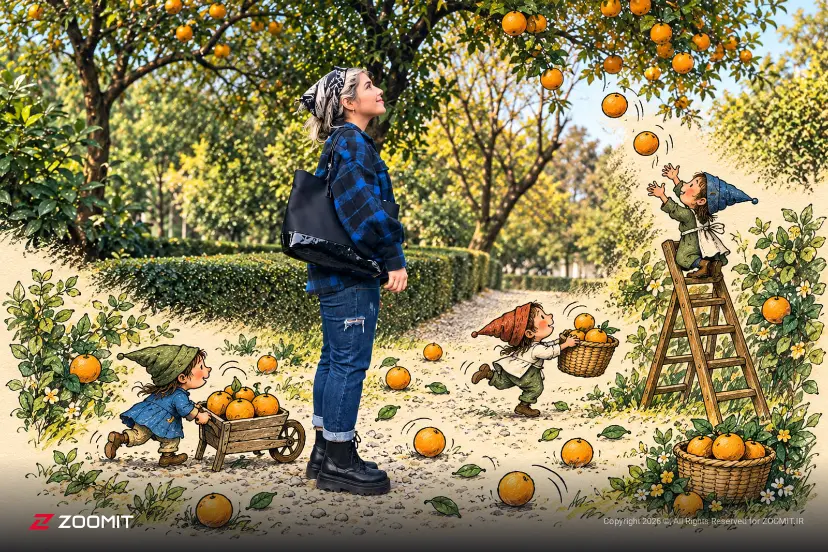
با یک پرامپت دقیق میتوانید عکسهای معمولی را به صفحهای از یک کمیک کلاسیک با دیالوگ و نوشتههای فارسی تبدیل کنید.
با یک پرامپت دقیق میتوانید عکسهای معمولی را به صفحهای از یک کمیک کلاسیک با دیالوگ و نوشتههای فارسی تبدیل کنید.
کمیککردن عکس با هوش مصنوعی ایدهی تازهای نیست؛ اما نتیجه معمولاً به یک فیلتر کارتونی ساده محدود میشود: همان تصویر، همان کادر و همان سوژه، فقط با خطوط ضخیمتر و رنگهای نقاشیشده. این پرامپت هوش مصنوعی که در ادامه میبینید، ساختار متفاوتی دارد و تلاش میکند از یک عکس واقعی، چیزی شبیه پوستر یک کتاب کمیک بسازد.
تصویر نهایی یک قاب عمودی با نسبت ۳:۴ است که دقیقاً به دو قسمت تقسیم میشود. نیمهی بالا برای حفظ عکس اصلی در نظر گرفته شده و در نیمهی پایین، همان لحظه به صفحهای شامل چند پنل کمیک تبدیل میشود؛ یک نمای کلی، نمای نزدیک از چهره و جزئیاتی از اشیا یا حرکتهایی که واقعاً در عکس دیده میشوند.
ویژگی جالبتر، استفاده از متن فارسی است. پرامپت از هوش مصنوعی میخواهد یک دیالوگ یا فکر کوتاه، یک افکت صوتی و یک کادر روایت را به فارسی و با رعایت راستبهچپبودن نوشتهها به کمیک اضافه کند.
ساختار تصویر به دو نیمهی کاملاً مساوی تقسیم میشود. در قسمت بالا، هدف این است که عکس آپلودشده تا جای ممکن دستنخورده باقی بماند؛ یعنی چهره، حالت بدن، لباس، اشیا، نورپردازی، رنگها و پسزمینه تغییر نکنند.
نیمهی پایین همان لحظه را با زبان بصری کمیکهای کلاسیک آمریکایی و اروپایی بازسازی میکند. بهجای یک تصویر کارتونی واحد، ۳ یا ۴ پنل ساخته میشود. یکی از پنلها کل صحنه را نشان میدهد، یکی روی چهره و حالت سوژه تمرکز دارد و پنلهای کوچکتر میتوانند جزئیاتی مثل دست، وسیلهای که شخص در دست گرفته یا حرکت قابلمشاهدهای در عکس را نمایش دهند.
در این بخش از خطوط مشکی ضخیم، رنگهای تخت، سایهزنی هافتون و بافت کاغذ قدیمی استفاده میشود. با وجود تغییر زاویهی دوربین در بعضی پنلها، پرامپت تأکید میکند که شخص، لباس، محیط و اشیای حاضر در عکس نباید تغییر کنند یا عناصر تازهای به داستان اضافه شود.
تفاوت مهم این پرامپت با بسیاری از دستورهای مشابه، جزئیاتی است که برای نوشتههای فارسی در نظر گرفته شده است. سه نوشته باید در تصویر وجود داشته باشد: یک حباب گفتوگو یا فکر، یک افکت صوتی متناسب با صحنه و یک کادر کوچک روایت. دستور حتی مواردی مثل استفاده از «ی» و «ک» فارسی، اتصال صحیح حروف، نیمفاصله، علامت سؤال فارسی و جهت راستبهچپ را مشخص میکند.
البته نوشتن متن فارسی همچنان یکی از بخشهایی است که ممکن است نتیجهی آن بین مدلهای تصویرساز متفاوت باشد. به همین دلیل در خود پرامپت تأکید شده است که اگر مدل نتواند نوشتهای سالم و خوانا بسازد، بهتر است محل آن را خالی بگذارد تا متن اشتباه یا بیمعنی تولید نکند.
ابتدا تصویری انتخاب کنید که سوژه و جزئیات اصلی آن واضح باشند. سپس عکس را در ChatGPT یا یک ابزار هوش مصنوعی دارای قابلیت تولید و ویرایش تصویر آپلود کنید و پرامپت زیر را همراه آن بفرستید.
اگر چند عکس دارید، بهتر است آنها را جداگانه پردازش کنید. پرامپت نیز صراحتاً از مدل میخواهد برای هر عکس یک خروجی مستقل بسازد و تصاویر مختلف را در یک کلاژ کنار هم قرار ندهد.
متن کامل پرامپت
Turn each uploaded photo into a separate, premium-quality editorial comic poster. Never combine multiple uploaded photos into a collage. Process and output each photo individually. ## LAYOUT Strict 3:4 vertical canvas, divided into two exactly equal horizontal halves (50/50). The two halves meet at one clean, sharp horizontal line with no gap, gradient, or overlap. ### TOP HALF — ORIGINAL PHOTO Keep the uploaded photo exactly as it is: same subject, identity, facial features, expression, pose, proportions, clothing, objects, background, perspective, lighting, shadows, and colors. Apply only subtle, professional color grading. You may gently extend the background to fit the composition, but never stretch, distort, redraw, or alter the subject. No text, speech bubbles, captions, or graphics in the top half. ### BOTTOM HALF — COMIC BOOK PAGE Transform the exact same photographic moment into a classic Western-style comic book page. Create 3 or 4 panels separated by clean white gutters and bold black panel borders. Use panels of different sizes to create visual rhythm: - One wide establishing panel showing the complete scene from the original photo. - One close-up panel showing the subject's face and expression. - One or two smaller detail panels showing real objects, gestures, or actions visible in the original photograph. Every panel must represent the same moment and environment. Different camera angles are permitted, but do not invent new objects, activities, people, or background elements. Maintain complete consistency in the subject's identity, clothing, hairstyle, accessories, and colors across every panel. ## VISUAL STYLE Classic American and European comic book aesthetics. Bold, confident black ink outlines with varied line weight. Flat, vivid color fills, visible halftone dot shading, and slightly aged off-white comic paper texture. Use a limited comic-book color palette derived from the original photograph. Faces should be expressive, recognizable, and anatomically accurate without excessive exaggeration. Avoid anime, manga, chibi, or cartoonishly distorted proportions. ## PERSIAN TEXT ELEMENTS — CRITICAL Every visible piece of text inside the comic must be written exclusively in authentic, correctly spelled Persian (Farsi), using the Persian alphabet. No English text, Latin characters, pseudo-Persian letters, gibberish, or invented words. All Persian text must be grammatically correct, naturally phrased, visually legible, and appropriate to the actual moment depicted. Create exactly three textual elements: ### 1. SPEECH OR THOUGHT BUBBLE Add one comic-style speech bubble or thought bubble containing a short, natural Persian sentence that the subject might realistically say or think. Requirements: - Use conversational, everyday Iranian Persian. - Keep the dialogue between 2 and 6 Persian words whenever possible. - Make the dialogue contextually relevant to the photograph. - Avoid generic, overly dramatic, or unrelated expressions. - Use correct Persian spelling, grammar, and punctuation. - Make the speech bubble large enough to accommodate Persian letters comfortably. Examples of natural Persian dialogue: «چه روز قشنگی!» «عجب منظرهای!» «این دیگه چیه؟» «وقت یه استراحته!» These examples are illustrative only. Choose dialogue based on the actual photograph. ### 2. PERSIAN SOUND EFFECT Add one hand-lettered Persian sound effect representing a real visible action or sound associated with the scene. Use authentic Persian onomatopoeia, not transliterated English. Possible examples: - «تق!» for a clicking or tapping sound. - «چک!» for a camera shutter. - «شررر!» for flowing or splashing water. - «خشخش!» for rustling. - «تَقتَق!» for repeated knocks or footsteps. Choose a sound effect that actually fits the image. Never add a sound effect suggesting an action that is not visible or reasonably implied by the original photograph. Use bold, expressive Persian comic lettering while preserving correct character shapes and reading order. ### 3. NARRATOR CAPTION BOX Add one small yellow rectangular narration box inside the first comic panel. Write one short Persian narrator sentence inspired by the visual atmosphere or emotional tone of the photograph. Requirements: - Maximum 5 to 9 Persian words. - Natural, fluent, contemporary Persian. - Slightly cinematic or playful, but not exaggerated. - Written in a clear Persian comic-book typeface. - No invented locations, dates, names, or unsupported story details. ## PERSIAN TYPOGRAPHY — ABSOLUTE PRIORITY Persian typography accuracy is mandatory. Follow these rules for every visible Persian text element: 1. Right-to-left direction: Render every sentence in genuine RTL reading order, beginning from the right and continuing toward the left. 2. Correct letter connections: Persian letters must join according to authentic Persian typography rules. Never display letters individually when they should be connected. 3. Correct Persian glyphs: Use Persian characters, including «ی» and «ک», rather than their Arabic alternatives «ي» and «ك». 4. Proper word spacing: Maintain natural spacing between words, with no misplaced, duplicated, or missing spaces. 5. Correct half-spaces: Use the Persian zero-width non-joiner (U+200C) where necessary, especially in constructions such as «میخوام»، «میره»، «خوشحال» and similar forms when grammatically appropriate. 6. Correct punctuation: Use Persian punctuation conventions. Place exclamation marks, question marks, and quotation marks in their correct visual positions. Use «؟» for Persian questions. 7. Readable lettering: Use a clean, authentic Persian comic lettering style with natural strokes, proper dot placement, consistent baseline, and correctly shaped letterforms. 8. No mirrored text: Never flip, reverse, distort, rotate, or mirror Persian writing. 9. No pseudo-script: Do not approximate Persian writing with decorative marks, randomly connected shapes, or visually similar symbols. 10. No text corruption: Never create incomplete words, duplicated letters, scrambled words, or meaningless text. 11. Exact text preservation: Once the three Persian phrases are selected, reproduce them exactly as written, character by character. Do not rewrite, reinterpret, or alter their spelling during rendering. 12. Text readability over decoration: Make text boxes and bubbles sufficiently large. Prioritize accurate Persian typography over complex or ornamental lettering. 13. No additional writing: Do not generate any other visible letters, numbers, signs, logos, or background text. 14. Final typography validation: Before completing the image, visually inspect every Persian word for spelling, letter connectivity, RTL order, punctuation, and legibility. Correct any detected error. If accurate Persian typography cannot be guaranteed, leave the affected speech bubble, narration box, or sound effect area empty rather than generating incorrect, meaningless, or malformed Persian text. ## COMPOSITION AND LETTERING All text must remain entirely inside the bottom comic-book half. Use visually balanced speech bubbles with clear white interiors and bold black outlines. Use a small, warm yellow narration box with dark Persian lettering. Sound effects may use larger, dynamic lettering, but must remain completely readable. Do not allow text to cover important facial features or essential details. Never allow graphics or text to cross the horizontal dividing line. ## COPYRIGHT AND BRAND RESTRICTIONS Do not use existing comic titles, publisher names, superhero characters, copyrighted comic artwork, or brand logos. Do not invent geographical locations, dates, or historical details. ## FINAL LOOK Create a visually striking, playful, cinematic poster presenting one real photographic moment in two complementary forms: - Top 50%: the authentic, carefully preserved original photograph. - Bottom 50%: an expressive, professionally illustrated comic-book interpretation of that exact moment, featuring three short and correctly rendered Persian text elements. The final design should resemble a premium collectible comic poster, with authentic Persian lettering integrated naturally into the illustrated panels. ## NEGATIVE PROMPT English text, Latin letters, Arabic-only typography, disconnected Persian characters, reversed Persian writing, mirrored text, misspelled words, random symbols, illegible lettering, gibberish, distorted glyphs, broken RTL layout, duplicate dialogue, extra captions, unwanted text, fake logos, incorrect Persian punctuation, meaningless sound effects, collages, distorted faces, changed outfits, invented objects, more than four comic panels, manga style, anime style, existing comic characters, watermarks, and elements crossing the center dividing line.این پرامپت جزئیات زیادی دارد، اما انتخاب عکس همچنان روی نتیجه تأثیر میگذارد. برای خروجی بهتر:
حتی پرامپتهای بسیار دقیق نیز نمیتوانند تضمین کنند که مدل تصویرساز عکس اصلی را پیکسلبهپیکسل حفظ کند یا تمام حروف فارسی را در هر بار تولید کاملاً درست بنویسد. به همین دلیل، بهتر است خروجی نهایی را از نظر چهره، جزئیات عکس و بهخصوص املای نوشتههای فارسی بررسی کنید.
کمیککردن عکس با هوش مصنوعی ایدهی تازهای نیست؛ اما نتیجه معمولاً به یک فیلتر کارتونی ساده محدود میشود: همان تصویر، همان کادر و همان سوژه، فقط با خطوط ضخیمتر و رنگهای نقاشیشده. این پرامپت هوش مصنوعی که در ادامه میبینید، ساختار متفاوتی دارد و تلاش میکند از یک عکس واقعی، چیزی شبیه پوستر یک کتاب کمیک بسازد.
تصویر نهایی یک قاب عمودی با نسبت ۳:۴ است که دقیقاً به دو قسمت تقسیم میشود. نیمهی بالا برای حفظ عکس اصلی در نظر گرفته شده و در نیمهی پایین، همان لحظه به صفحهای شامل چند پنل کمیک تبدیل میشود؛ یک نمای کلی، نمای نزدیک از چهره و جزئیاتی از اشیا یا حرکتهایی که واقعاً در عکس دیده میشوند.
ویژگی جالبتر، استفاده از متن فارسی است. پرامپت از هوش مصنوعی میخواهد یک دیالوگ یا فکر کوتاه، یک افکت صوتی و یک کادر روایت را به فارسی و با رعایت راستبهچپبودن نوشتهها به کمیک اضافه کند.
ساختار تصویر به دو نیمهی کاملاً مساوی تقسیم میشود. در قسمت بالا، هدف این است که عکس آپلودشده تا جای ممکن دستنخورده باقی بماند؛ یعنی چهره، حالت بدن، لباس، اشیا، نورپردازی، رنگها و پسزمینه تغییر نکنند.
نیمهی پایین همان لحظه را با زبان بصری کمیکهای کلاسیک آمریکایی و اروپایی بازسازی میکند. بهجای یک تصویر کارتونی واحد، ۳ یا ۴ پنل ساخته میشود. یکی از پنلها کل صحنه را نشان میدهد، یکی روی چهره و حالت سوژه تمرکز دارد و پنلهای کوچکتر میتوانند جزئیاتی مثل دست، وسیلهای که شخص در دست گرفته یا حرکت قابلمشاهدهای در عکس را نمایش دهند.
در این بخش از خطوط مشکی ضخیم، رنگهای تخت، سایهزنی هافتون و بافت کاغذ قدیمی استفاده میشود. با وجود تغییر زاویهی دوربین در بعضی پنلها، پرامپت تأکید میکند که شخص، لباس، محیط و اشیای حاضر در عکس نباید تغییر کنند یا عناصر تازهای به داستان اضافه شود.
تفاوت مهم این پرامپت با بسیاری از دستورهای مشابه، جزئیاتی است که برای نوشتههای فارسی در نظر گرفته شده است. سه نوشته باید در تصویر وجود داشته باشد: یک حباب گفتوگو یا فکر، یک افکت صوتی متناسب با صحنه و یک کادر کوچک روایت. دستور حتی مواردی مثل استفاده از «ی» و «ک» فارسی، اتصال صحیح حروف، نیمفاصله، علامت سؤال فارسی و جهت راستبهچپ را مشخص میکند.
البته نوشتن متن فارسی همچنان یکی از بخشهایی است که ممکن است نتیجهی آن بین مدلهای تصویرساز متفاوت باشد. به همین دلیل در خود پرامپت تأکید شده است که اگر مدل نتواند نوشتهای سالم و خوانا بسازد، بهتر است محل آن را خالی بگذارد تا متن اشتباه یا بیمعنی تولید نکند.
ابتدا تصویری انتخاب کنید که سوژه و جزئیات اصلی آن واضح باشند. سپس عکس را در ChatGPT یا یک ابزار هوش مصنوعی دارای قابلیت تولید و ویرایش تصویر آپلود کنید و پرامپت زیر را همراه آن بفرستید.
اگر چند عکس دارید، بهتر است آنها را جداگانه پردازش کنید. پرامپت نیز صراحتاً از مدل میخواهد برای هر عکس یک خروجی مستقل بسازد و تصاویر مختلف را در یک کلاژ کنار هم قرار ندهد.
متن کامل پرامپت
Turn each uploaded photo into a separate, premium-quality editorial comic poster. Never combine multiple uploaded photos into a collage. Process and output each photo individually. ## LAYOUT Strict 3:4 vertical canvas, divided into two exactly equal horizontal halves (50/50). The two halves meet at one clean, sharp horizontal line with no gap, gradient, or overlap. ### TOP HALF — ORIGINAL PHOTO Keep the uploaded photo exactly as it is: same subject, identity, facial features, expression, pose, proportions, clothing, objects, background, perspective, lighting, shadows, and colors. Apply only subtle, professional color grading. You may gently extend the background to fit the composition, but never stretch, distort, redraw, or alter the subject. No text, speech bubbles, captions, or graphics in the top half. ### BOTTOM HALF — COMIC BOOK PAGE Transform the exact same photographic moment into a classic Western-style comic book page. Create 3 or 4 panels separated by clean white gutters and bold black panel borders. Use panels of different sizes to create visual rhythm: - One wide establishing panel showing the complete scene from the original photo. - One close-up panel showing the subject's face and expression. - One or two smaller detail panels showing real objects, gestures, or actions visible in the original photograph. Every panel must represent the same moment and environment. Different camera angles are permitted, but do not invent new objects, activities, people, or background elements. Maintain complete consistency in the subject's identity, clothing, hairstyle, accessories, and colors across every panel. ## VISUAL STYLE Classic American and European comic book aesthetics. Bold, confident black ink outlines with varied line weight. Flat, vivid color fills, visible halftone dot shading, and slightly aged off-white comic paper texture. Use a limited comic-book color palette derived from the original photograph. Faces should be expressive, recognizable, and anatomically accurate without excessive exaggeration. Avoid anime, manga, chibi, or cartoonishly distorted proportions. ## PERSIAN TEXT ELEMENTS — CRITICAL Every visible piece of text inside the comic must be written exclusively in authentic, correctly spelled Persian (Farsi), using the Persian alphabet. No English text, Latin characters, pseudo-Persian letters, gibberish, or invented words. All Persian text must be grammatically correct, naturally phrased, visually legible, and appropriate to the actual moment depicted. Create exactly three textual elements: ### 1. SPEECH OR THOUGHT BUBBLE Add one comic-style speech bubble or thought bubble containing a short, natural Persian sentence that the subject might realistically say or think. Requirements: - Use conversational, everyday Iranian Persian. - Keep the dialogue between 2 and 6 Persian words whenever possible. - Make the dialogue contextually relevant to the photograph. - Avoid generic, overly dramatic, or unrelated expressions. - Use correct Persian spelling, grammar, and punctuation. - Make the speech bubble large enough to accommodate Persian letters comfortably. Examples of natural Persian dialogue: «چه روز قشنگی!» «عجب منظرهای!» «این دیگه چیه؟» «وقت یه استراحته!» These examples are illustrative only. Choose dialogue based on the actual photograph. ### 2. PERSIAN SOUND EFFECT Add one hand-lettered Persian sound effect representing a real visible action or sound associated with the scene. Use authentic Persian onomatopoeia, not transliterated English. Possible examples: - «تق!» for a clicking or tapping sound. - «چک!» for a camera shutter. - «شررر!» for flowing or splashing water. - «خشخش!» for rustling. - «تَقتَق!» for repeated knocks or footsteps. Choose a sound effect that actually fits the image. Never add a sound effect suggesting an action that is not visible or reasonably implied by the original photograph. Use bold, expressive Persian comic lettering while preserving correct character shapes and reading order. ### 3. NARRATOR CAPTION BOX Add one small yellow rectangular narration box inside the first comic panel. Write one short Persian narrator sentence inspired by the visual atmosphere or emotional tone of the photograph. Requirements: - Maximum 5 to 9 Persian words. - Natural, fluent, contemporary Persian. - Slightly cinematic or playful, but not exaggerated. - Written in a clear Persian comic-book typeface. - No invented locations, dates, names, or unsupported story details. ## PERSIAN TYPOGRAPHY — ABSOLUTE PRIORITY Persian typography accuracy is mandatory. Follow these rules for every visible Persian text element: 1. Right-to-left direction: Render every sentence in genuine RTL reading order, beginning from the right and continuing toward the left. 2. Correct letter connections: Persian letters must join according to authentic Persian typography rules. Never display letters individually when they should be connected. 3. Correct Persian glyphs: Use Persian characters, including «ی» and «ک», rather than their Arabic alternatives «ي» and «ك». 4. Proper word spacing: Maintain natural spacing between words, with no misplaced, duplicated, or missing spaces. 5. Correct half-spaces: Use the Persian zero-width non-joiner (U+200C) where necessary, especially in constructions such as «میخوام»، «میره»، «خوشحال» and similar forms when grammatically appropriate. 6. Correct punctuation: Use Persian punctuation conventions. Place exclamation marks, question marks, and quotation marks in their correct visual positions. Use «؟» for Persian questions. 7. Readable lettering: Use a clean, authentic Persian comic lettering style with natural strokes, proper dot placement, consistent baseline, and correctly shaped letterforms. 8. No mirrored text: Never flip, reverse, distort, rotate, or mirror Persian writing. 9. No pseudo-script: Do not approximate Persian writing with decorative marks, randomly connected shapes, or visually similar symbols. 10. No text corruption: Never create incomplete words, duplicated letters, scrambled words, or meaningless text. 11. Exact text preservation: Once the three Persian phrases are selected, reproduce them exactly as written, character by character. Do not rewrite, reinterpret, or alter their spelling during rendering. 12. Text readability over decoration: Make text boxes and bubbles sufficiently large. Prioritize accurate Persian typography over complex or ornamental lettering. 13. No additional writing: Do not generate any other visible letters, numbers, signs, logos, or background text. 14. Final typography validation: Before completing the image, visually inspect every Persian word for spelling, letter connectivity, RTL order, punctuation, and legibility. Correct any detected error. If accurate Persian typography cannot be guaranteed, leave the affected speech bubble, narration box, or sound effect area empty rather than generating incorrect, meaningless, or malformed Persian text. ## COMPOSITION AND LETTERING All text must remain entirely inside the bottom comic-book half. Use visually balanced speech bubbles with clear white interiors and bold black outlines. Use a small, warm yellow narration box with dark Persian lettering. Sound effects may use larger, dynamic lettering, but must remain completely readable. Do not allow text to cover important facial features or essential details. Never allow graphics or text to cross the horizontal dividing line. ## COPYRIGHT AND BRAND RESTRICTIONS Do not use existing comic titles, publisher names, superhero characters, copyrighted comic artwork, or brand logos. Do not invent geographical locations, dates, or historical details. ## FINAL LOOK Create a visually striking, playful, cinematic poster presenting one real photographic moment in two complementary forms: - Top 50%: the authentic, carefully preserved original photograph. - Bottom 50%: an expressive, professionally illustrated comic-book interpretation of that exact moment, featuring three short and correctly rendered Persian text elements. The final design should resemble a premium collectible comic poster, with authentic Persian lettering integrated naturally into the illustrated panels. ## NEGATIVE PROMPT English text, Latin letters, Arabic-only typography, disconnected Persian characters, reversed Persian writing, mirrored text, misspelled words, random symbols, illegible lettering, gibberish, distorted glyphs, broken RTL layout, duplicate dialogue, extra captions, unwanted text, fake logos, incorrect Persian punctuation, meaningless sound effects, collages, distorted faces, changed outfits, invented objects, more than four comic panels, manga style, anime style, existing comic characters, watermarks, and elements crossing the center dividing line.Turn each uploaded photo into a separate, premium-quality editorial comic poster. Never combine multiple uploaded photos into a collage. Process and output each photo individually. ## LAYOUT Strict 3:4 vertical canvas, divided into two exactly equal horizontal halves (50/50). The two halves meet at one clean, sharp horizontal line with no gap, gradient, or overlap. ### TOP HALF — ORIGINAL PHOTO Keep the uploaded photo exactly as it is: same subject, identity, facial features, expression, pose, proportions, clothing, objects, background, perspective, lighting, shadows, and colors. Apply only subtle, professional color grading. You may gently extend the background to fit the composition, but never stretch, distort, redraw, or alter the subject. No text, speech bubbles, captions, or graphics in the top half. ### BOTTOM HALF — COMIC BOOK PAGE Transform the exact same photographic moment into a classic Western-style comic book page. Create 3 or 4 panels separated by clean white gutters and bold black panel borders. Use panels of different sizes to create visual rhythm: - One wide establishing panel showing the complete scene from the original photo. - One close-up panel showing the subject's face and expression. - One or two smaller detail panels showing real objects, gestures, or actions visible in the original photograph. Every panel must represent the same moment and environment. Different camera angles are permitted, but do not invent new objects, activities, people, or background elements. Maintain complete consistency in the subject's identity, clothing, hairstyle, accessories, and colors across every panel. ## VISUAL STYLE Classic American and European comic book aesthetics. Bold, confident black ink outlines with varied line weight. Flat, vivid color fills, visible halftone dot shading, and slightly aged off-white comic paper texture. Use a limited comic-book color palette derived from the original photograph. Faces should be expressive, recognizable, and anatomically accurate without excessive exaggeration. Avoid anime, manga, chibi, or cartoonishly distorted proportions. ## PERSIAN TEXT ELEMENTS — CRITICAL Every visible piece of text inside the comic must be written exclusively in authentic, correctly spelled Persian (Farsi), using the Persian alphabet. No English text, Latin characters, pseudo-Persian letters, gibberish, or invented words. All Persian text must be grammatically correct, naturally phrased, visually legible, and appropriate to the actual moment depicted. Create exactly three textual elements: ### 1. SPEECH OR THOUGHT BUBBLE Add one comic-style speech bubble or thought bubble containing a short, natural Persian sentence that the subject might realistically say or think. Requirements: - Use conversational, everyday Iranian Persian. - Keep the dialogue between 2 and 6 Persian words whenever possible. - Make the dialogue contextually relevant to the photograph. - Avoid generic, overly dramatic, or unrelated expressions. - Use correct Persian spelling, grammar, and punctuation. - Make the speech bubble large enough to accommodate Persian letters comfortably. Examples of natural Persian dialogue: «چه روز قشنگی!» «عجب منظرهای!» «این دیگه چیه؟» «وقت یه استراحته!» These examples are illustrative only. Choose dialogue based on the actual photograph. ### 2. PERSIAN SOUND EFFECT Add one hand-lettered Persian sound effect representing a real visible action or sound associated with the scene. Use authentic Persian onomatopoeia, not transliterated English. Possible examples: - «تق!» for a clicking or tapping sound. - «چک!» for a camera shutter. - «شررر!» for flowing or splashing water. - «خشخش!» for rustling. - «تَقتَق!» for repeated knocks or footsteps. Choose a sound effect that actually fits the image. Never add a sound effect suggesting an action that is not visible or reasonably implied by the original photograph. Use bold, expressive Persian comic lettering while preserving correct character shapes and reading order. ### 3. NARRATOR CAPTION BOX Add one small yellow rectangular narration box inside the first comic panel. Write one short Persian narrator sentence inspired by the visual atmosphere or emotional tone of the photograph. Requirements: - Maximum 5 to 9 Persian words. - Natural, fluent, contemporary Persian. - Slightly cinematic or playful, but not exaggerated. - Written in a clear Persian comic-book typeface. - No invented locations, dates, names, or unsupported story details. ## PERSIAN TYPOGRAPHY — ABSOLUTE PRIORITY Persian typography accuracy is mandatory. Follow these rules for every visible Persian text element: 1. Right-to-left direction: Render every sentence in genuine RTL reading order, beginning from the right and continuing toward the left. 2. Correct letter connections: Persian letters must join according to authentic Persian typography rules. Never display letters individually when they should be connected. 3. Correct Persian glyphs: Use Persian characters, including «ی» and «ک», rather than their Arabic alternatives «ي» and «ك». 4. Proper word spacing: Maintain natural spacing between words, with no misplaced, duplicated, or missing spaces. 5. Correct half-spaces: Use the Persian zero-width non-joiner (U+200C) where necessary, especially in constructions such as «میخوام»، «میره»، «خوشحال» and similar forms when grammatically appropriate. 6. Correct punctuation: Use Persian punctuation conventions. Place exclamation marks, question marks, and quotation marks in their correct visual positions. Use «؟» for Persian questions. 7. Readable lettering: Use a clean, authentic Persian comic lettering style with natural strokes, proper dot placement, consistent baseline, and correctly shaped letterforms. 8. No mirrored text: Never flip, reverse, distort, rotate, or mirror Persian writing. 9. No pseudo-script: Do not approximate Persian writing with decorative marks, randomly connected shapes, or visually similar symbols. 10. No text corruption: Never create incomplete words, duplicated letters, scrambled words, or meaningless text. 11. Exact text preservation: Once the three Persian phrases are selected, reproduce them exactly as written, character by character. Do not rewrite, reinterpret, or alter their spelling during rendering. 12. Text readability over decoration: Make text boxes and bubbles sufficiently large. Prioritize accurate Persian typography over complex or ornamental lettering. 13. No additional writing: Do not generate any other visible letters, numbers, signs, logos, or background text. 14. Final typography validation: Before completing the image, visually inspect every Persian word for spelling, letter connectivity, RTL order, punctuation, and legibility. Correct any detected error. If accurate Persian typography cannot be guaranteed, leave the affected speech bubble, narration box, or sound effect area empty rather than generating incorrect, meaningless, or malformed Persian text. ## COMPOSITION AND LETTERING All text must remain entirely inside the bottom comic-book half. Use visually balanced speech bubbles with clear white interiors and bold black outlines. Use a small, warm yellow narration box with dark Persian lettering. Sound effects may use larger, dynamic lettering, but must remain completely readable. Do not allow text to cover important facial features or essential details. Never allow graphics or text to cross the horizontal dividing line. ## COPYRIGHT AND BRAND RESTRICTIONS Do not use existing comic titles, publisher names, superhero characters, copyrighted comic artwork, or brand logos. Do not invent geographical locations, dates, or historical details. ## FINAL LOOK Create a visually striking, playful, cinematic poster presenting one real photographic moment in two complementary forms: - Top 50%: the authentic, carefully preserved original photograph. - Bottom 50%: an expressive, professionally illustrated comic-book interpretation of that exact moment, featuring three short and correctly rendered Persian text elements. The final design should resemble a premium collectible comic poster, with authentic Persian lettering integrated naturally into the illustrated panels. ## NEGATIVE PROMPT English text, Latin letters, Arabic-only typography, disconnected Persian characters, reversed Persian writing, mirrored text, misspelled words, random symbols, illegible lettering, gibberish, distorted glyphs, broken RTL layout, duplicate dialogue, extra captions, unwanted text, fake logos, incorrect Persian punctuation, meaningless sound effects, collages, distorted faces, changed outfits, invented objects, more than four comic panels, manga style, anime style, existing comic characters, watermarks, and elements crossing the center dividing line.این پرامپت جزئیات زیادی دارد، اما انتخاب عکس همچنان روی نتیجه تأثیر میگذارد. برای خروجی بهتر:
حتی پرامپتهای بسیار دقیق نیز نمیتوانند تضمین کنند که مدل تصویرساز عکس اصلی را پیکسلبهپیکسل حفظ کند یا تمام حروف فارسی را در هر بار تولید کاملاً درست بنویسد. به همین دلیل، بهتر است خروجی نهایی را از نظر چهره، جزئیات عکس و بهخصوص املای نوشتههای فارسی بررسی کنید.






دیدگاهها